
SEARCH ENGINE MARKETING (SEM)
Turn Search Intent Into Valuable Business Opportunities
Reach potential customers when they are actively searching for products, services, solutions, and information related to your business.
Search Engine Marketing helps businesses gain targeted visibility through paid search advertising. Instead of waiting for users to discover your website organically, SEM allows your business to appear in relevant search results when people are actively looking for what you offer.
I create strategic search advertising campaigns focused on relevant keywords, audience targeting, compelling ad messaging, controlled budgets, conversion tracking, and continuous optimization.
The goal is not simply to generate clicks. It is to attract relevant traffic, create meaningful opportunities, and support measurable business objectives through smarter search advertising.
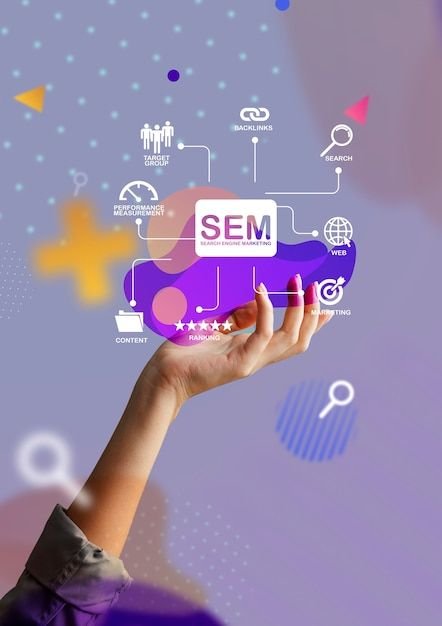
What Is Search Engine Marketing?
Search Engine Marketing (SEM) is a digital advertising strategy that uses paid search campaigns to promote businesses, products, services, and websites on search engines. When potential customers search for something related to your business, paid search advertising can provide an opportunity for your brand to appear prominently within the search results. A well-planned SEM strategy connects relevant search queries with targeted advertisements and optimized landing pages. My SEM service focuses on building campaigns around your business objectives rather than simply increasing the number of clicks. The process begins with understanding your business, target audience, products or services, competitors, market, budget, and campaign goals. From there, relevant keywords and search opportunities are identified and organized into a structured advertising strategy.
What My Service Includes
A Complete Search Advertising Strategy Built Around Your Goals
SEM Strategy & Campaign Planning
I develop a search advertising strategy based on your business objectives, target audience, market, competition, budget, and desired outcomes.
Keyword Research
I identify relevant search terms that potential customers may use when looking for your products, services, or solutions. Keywords are evaluated according to relevance, search intent, competition, and potential business value.
Search Intent Analysis
Understanding why someone is searching is essential for creating relevant advertising. I analyze different search intents to help connect your advertisements with appropriate search queries.
Campaign Structure & Setup
A well-organized campaign structure helps separate different products, services, audiences, and keyword groups. This creates a clearer foundation for managing and optimizing advertising campaigns.
Search Ad Copywriting
I create clear and compelling ad copy designed to communicate your value, highlight relevant benefits, and encourage potential customers to take the next step.
Audience & Geographic Targeting
Campaigns can be structured around relevant audience and geographic requirements. This can help businesses focus advertising on specific markets, locations, or customer groups where appropriate.
SEM contents
Reach People With Search Intent
Connect your advertisements with users who are actively searching for products, services, information, or solutions related to your business.
Create Relevant Advertising
Your advertisement should clearly communicate what you offer and why a potential customer should explore your business further.
Control Your Advertising Investment
SEM provides campaign-level control over budgets, targeting, keywords, and advertising activity, allowing campaigns to be managed according to business objectives.
Connect Ads With Landing Pages
A strong customer journey does not end when someone clicks an advertisement. The landing page should provide relevant information and make the next step clear.
Measure What Matters
SEM provides access to performance data that can help businesses understand impressions, clicks, costs, conversions, and other relevant campaign indicators.
Improve Through Data
Campaign performance can be reviewed continuously to identify opportunities for improving targeting, keywords, ad messaging, budget allocation, and overall efficiency.
FAQ
What is Search Engine Marketing?
Search Engine Marketing (SEM) is a digital marketing strategy that uses paid search advertising to promote a business, product, service, or website when users search for relevant terms on search engines.
How can SEM help my business?
SEM can help your business gain targeted search visibility, reach people who are actively searching for relevant products or services, generate website traffic, support lead generation, promote specific offers, and create measurable advertising opportunities.
What does your SEM service include?
My SEM service can include keyword research, search intent analysis, campaign planning, campaign setup, ad copywriting, audience targeting, geographic targeting, landing page optimization, negative keyword management, budget management, conversion tracking, campaign optimization, performance monitoring, and reporting.
How much should I spend on Search Engine Marketing?
There is no single budget that works for every business. The appropriate advertising budget depends on factors such as your industry, competition, target market, keywords, campaign objectives, customer value, and available resources. A suitable budget can be planned around your specific goals.
How quickly can I see results from SEM?
Paid search campaigns can begin generating visibility and traffic once they are active, but actual performance can vary significantly. Results depend on factors such as targeting, competition, ad relevance, landing page experience, budget, keywords, and conversion tracking. Continuous optimization can help improve campaign performance over time.
Do you track conversions from SEM campaigns?
Yes. Where appropriate tracking is available, conversion tracking can be used to measure important actions such as form submissions, purchases, calls, registrations, or other business goals. This helps move the focus beyond clicks toward meaningful outcomes.
Can SEM work for a local business?
Yes. SEM can be structured to target specific geographic areas where a business operates or wants to reach customers. Local targeting can be particularly useful when a business serves customers within specific cities, regions, or service areas.
Is SEM different from SEO?
Yes. SEO focuses on improving organic search visibility, while SEM uses paid search advertising to gain visibility through advertising campaigns. They serve different purposes but can work together as part of a broader search marketing strategy.